



By Oluwatoyin Mathnuel

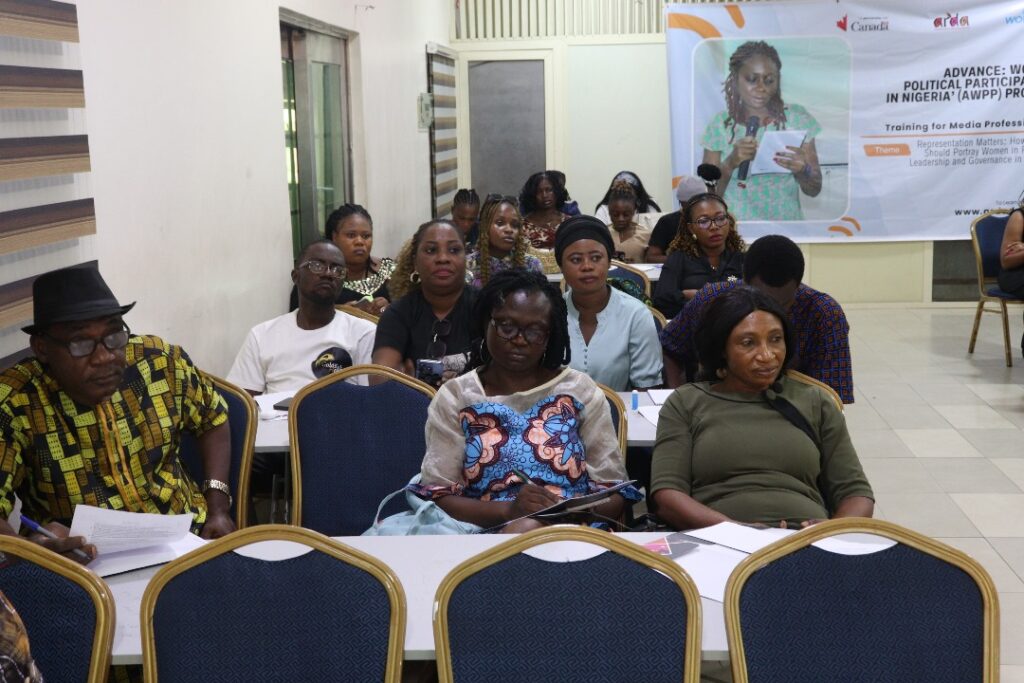
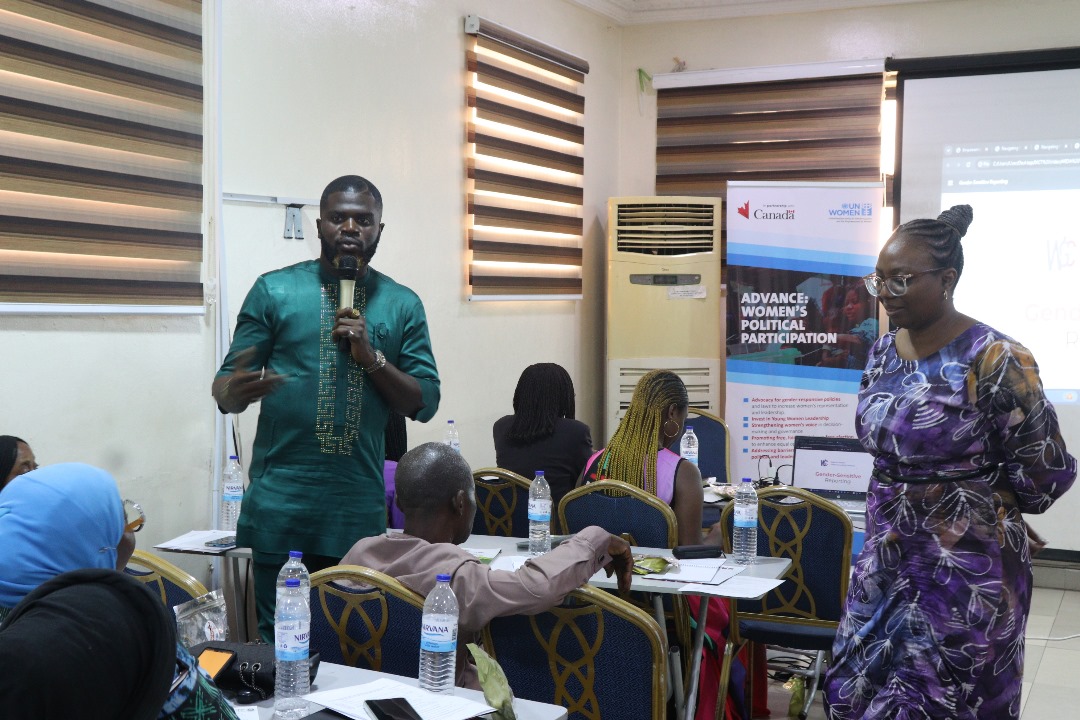
A recent workshop organized by ARDA, UN Women, and the Canadian government for Nigerian journalists highlighted the limited representation of Nigerian women in political leadership. This event, held in Lagos on October 30, 2024, aimed to educate journalists on issues surrounding women’s political participation and equip them with strategies to foster change through media influence.
Discussions focused on various topics, including the current state of women’s political representation, barriers they face in both elective and appointive positions, Nigeria’s legal framework (Constitution, Electoral Act, National Gender Policy), and international policies that support women’s political participation. The role of the media in shaping policies to increase women’s representation in political leadership and the importance of gender sensitivity were also emphasized.
African women, particularly Nigerian women, are not limited to domestic roles; they are equally capable of leading in the political sphere. Mrs. Jesudunsin Odusanya, one of the workshop facilitators, provided a breakdown of women’s political representation globally. She noted that while Nigeria lags behind other nations, states like Kwara, Taraba, and Lagos are making strides, with Kwara state having the highest number of women in political positions.
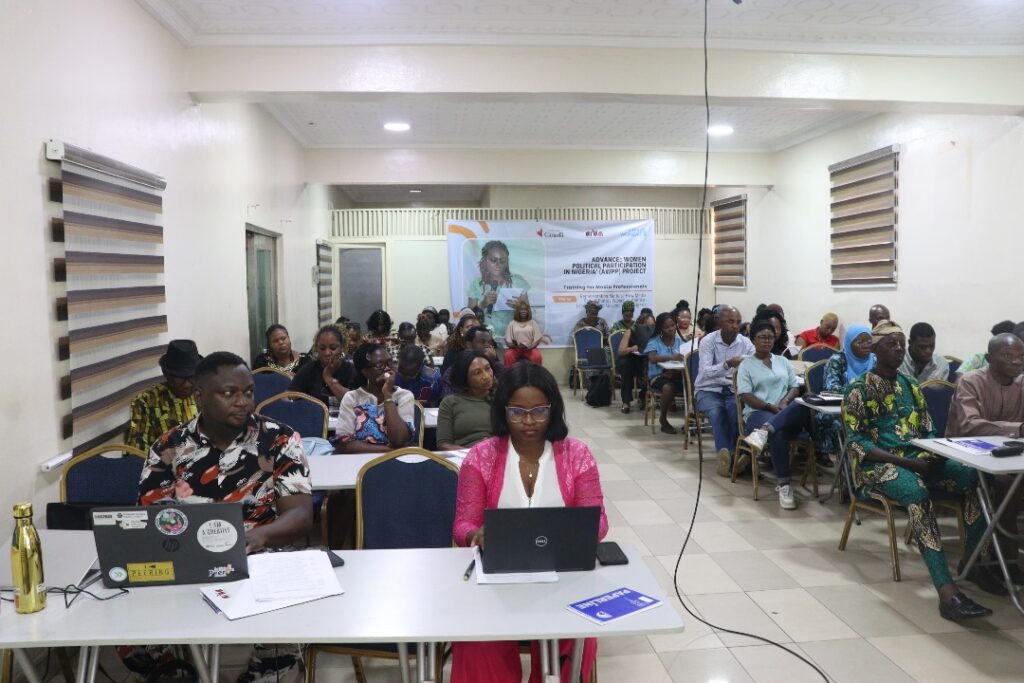
Despite obstacles like inadequate funding, cultural biases, religious limitations, sexual harassment, lack of family support, and intimidation, the media’s role in promoting policies that support women’s political participation can help overcome these challenges. By adopting responsible reporting practices that encourage gender equality, avoid sensationalism, and promote inclusivity, journalists can be a powerful force in reducing gender discrimination in Nigerian politics.
Media and development communications expert Adebisi Adetunji expressed disappointment over misconceptions about female leaders’ authority over male subordinates. She emphasized the need for mentorship and urged Nigerian women to pursue substantial political roles beyond traditional positions like women’s leader or welfare officer.
The workshop at the Lagos Chamber of Commerce and Industry (LCCI) was a transformative effort to reframe women’s political representation as a right rather than a privilege. With supportive media reporting, more Nigerian women may be inspired to pursue leadership roles, recognizing that what benefits men in politics can also benefit women.
