



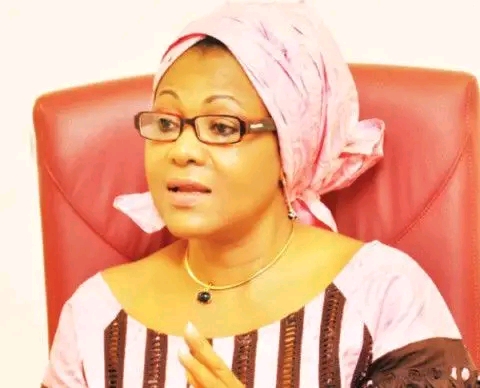

In May 1995, Chris Anyanwu was arrested following the publication of a story about a failed coup d’état against the government of Sani Abacha, whom she had refused to endorse as president; she and several Nigerian journalists were accused of being “accessory after the fact of treason”. Anyanwu, a journalist from Imo State, was prosecuted in camera by a military court and sentenced to life imprisonment on 4 July 1995. This was later reduced to 15 years in October 1995 following pressure from national and international human rights groups. While being held in Gombe prison, she went partially blind. Doctors warned that she was in danger of losing her sight completely if she failed to receive medical attention.
Shortly after her imprisonment, she received the International Women’s Media Foundation Courage in Journalism Award, making news around the world. Anyanwu, who was then held in solitary confinement, got a note that read, “Some women in America are giving you a prize. The world is watching”.
She later said that receiving the award lifted her spirits and determination not to give in to pressure while in prison.
Two years later, the Committee to Protect Journalists also named Anyanwu winner of the CPJ International Press Freedom Award, and in May 1998, she was awarded UNESCO’s Guillermo Cano World Press Freedom Prize. Because of her imprisonment, Professor Wole Soyinka attended the ceremony to accept the latter on her behalf.
In June 1998, following the death of President Abacha, she was released by General Abdulsalam Abubakar on health grounds. She spent two years in Virginia, during which she wrote the book Days of Terror about Nigeria’s struggle during the dictatorship. Returning to Nigeria after her book’s release, she testified to her experiences in prison and confronted her former jailers, publicly forgiving one after he apologized to her.
She became a Nigerian senator in 2007.
Source: Wikipedia
