



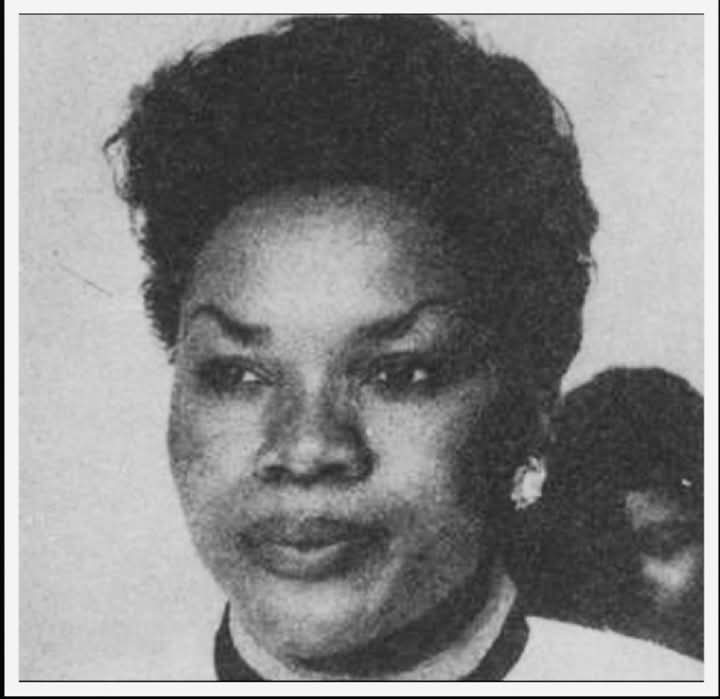


In the vibrant landscape of Nigerian media in the 1980s and 1990s, few names stood out like May Ellen Ezekiel, affectionately known to the public as MEE. A fearless storyteller, pioneering magazine editor, accomplished author, and influential television host, MEE blazed a trail for women in journalism and media at a time when the industry was largely male-dominated.
Born in 1956, MEE quickly rose to prominence in her late 20s and early 30s, earning a reputation for bold reporting, insightful interviews, and a relentless passion for amplifying voices on the margins of society. She began her career in journalism with the Sunday Concord, where her flair for human interest stories and social commentary drew wide acclaim.
In the early 1990s, she founded the iconic Classique magazine, a glossy lifestyle publication that brought sophistication, entertainment, and societal conversations into Nigerian homes. Classique set new standards for editorial excellence, and under her direction, it became a respected voice in fashion, celebrity culture, and social issues.
Beyond print, MEE made her mark on television with her nationally syndicated NTA talk show, “Mee and You.” The show offered a warm, intelligent space for discussions on women’s issues, childhood struggles, marriage, and mental health—long before these topics became mainstream in Nigerian media.
MEE was also a gifted writer. She authored several books including:
Dreammaker
Centerspread
Pilgrim’s Soul
Wind Songs
Through these works, she offered both poetic reflection and fictional narratives that captured the complexities of Nigerian society and the inner worlds of women.
MEE was married to celebrated actor Richard Mofe-Damijo (RMD), and together, they were one of Nigeria’s most admired media couples at the time.
Tragically, May Ellen Ezekiel passed away on March 23, 1996, following complications from fibroid surgery. She was just 39 years old.
Though her life was brief, MEE left a profound impact. She remains a symbol of excellence, courage, and innovation in Nigerian media history—an inspiration to generations of female journalists, broadcasters, and writers who followed in her footsteps.
