



From boardrooms to hospital wards, experts, survivors, and creatives gathered in Lagos to confront the silent epidemic of trauma and call for a national culture of healing.
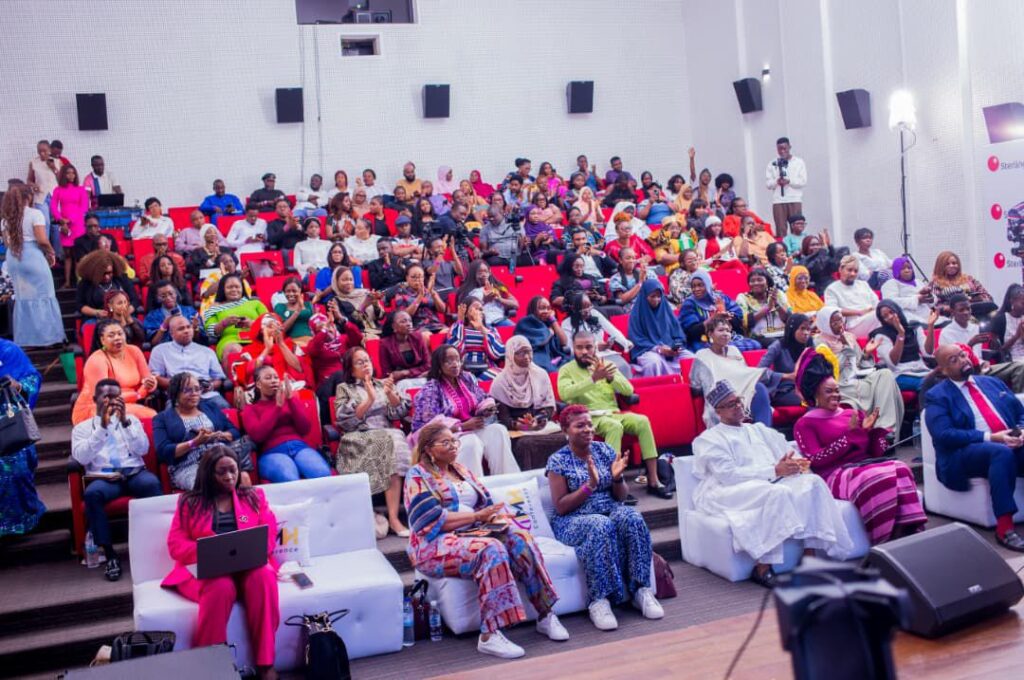

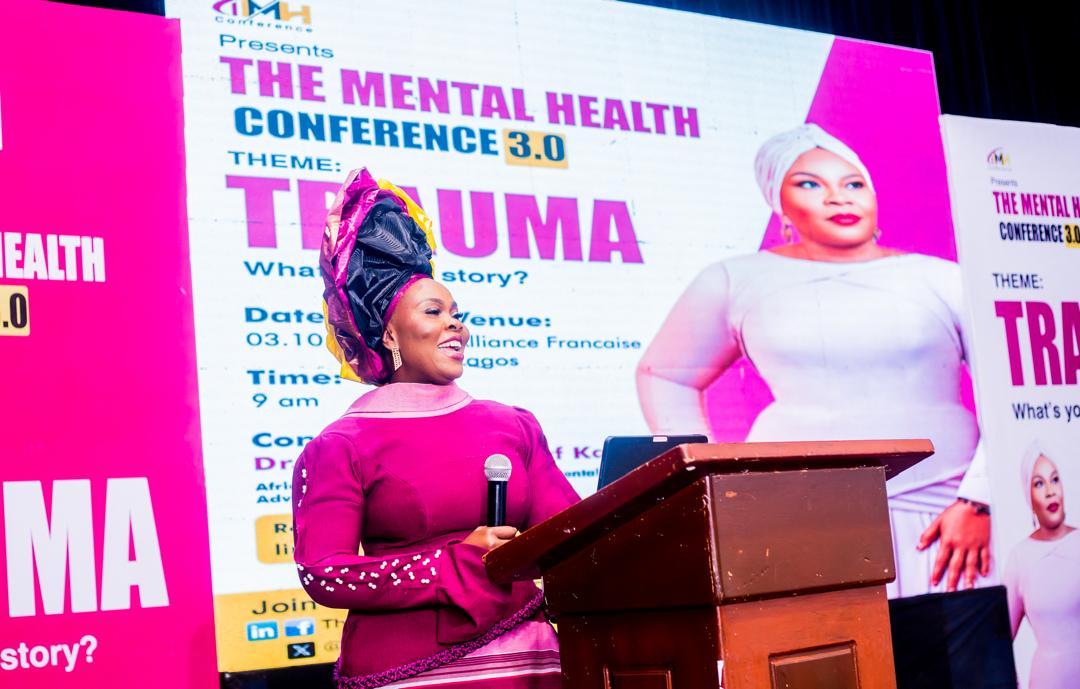
Health professionals, legal experts, business leaders, journalists, and creatives gathered in Lagos for the third edition of The Mental Health Conference (TMHC), which spotlighted trauma as a growing public health and workplace concern in Nigeria. Convened by Dr. Maymunah Yusuf Kadiri, popularly known as The Celebrity Shrink, the conference, themed “Trauma: What’s Your Story?”, examined how personal experiences, institutional practices, and national policies intersect to shape the country’s mental wellbeing landscape.
In her opening remarks, Dr. Kadiri reminded participants that healing begins with honesty. “Too many people wear strength like armour,” she said, “but true strength is being able to sit with your pain and not run from it.”
She described trauma as “the silent inheritance that shapes how we love, lead, and live,” urging Nigerians to move from shame to sharing. “Your story matters,” she said. “It’s not the scar that defines you, but the courage it took to survive.”
Dr. Kadiri explained that the TMHC series had evolved over the years, from unveiling the mind behind the mask to exploring identity, and now, to confronting trauma as both a personal and collective experience.
“This edition is about remembering,” she said. “Not to relive the pain, but to reclaim the power hidden inside it. Healing is not about forgetting; it’s about facing the fire and finding warmth.”
Delivering the government’s perspective, Dr. Olugbenga Owoeye, Consultant Neuropsychiatrist and Medical Director representing the Minister of State for Health, Dr. Iziaq Adekunle Salako, outlined plans for a national trauma framework.
“We are developing systems that ensure trauma care and mental health inclusion are not optional but central to our healthcare priorities,” he said. “The establishment of National Trauma Centres and psychosocial units across states is a key part of that plan.”
From a justice standpoint, former Nigerian Bar Association President, Olumide Akpata, linked national crises to collective trauma, warning that unresolved pain can shape policy, politics, and people.
“When a nation keeps punishing instead of healing, it perpetuates cycles of pain,” he said. “True justice is restorative, it mends what’s broken rather than multiplies the wounds.”
He welcomed the government’s plan to decriminalize suicide by December 2025, calling it “a step towards compassion and dignity.”
Award-winning journalist Stephanie Busari shared a deeply personal story of grief and recovery.
“As a journalist, you learn to keep moving, because the news doesn’t stop,” she said. “But trauma catches up with you in silence.”
She reflected on losing two loved ones while still meeting deadlines, describing how the pressure to “stay strong” nearly broke her. “Grief doesn’t obey your calendar,” she noted. “It shows up in your body, in your work, in your heart. I had to learn that healing isn’t linear, it’s layered.”
Her message was simple yet profound: “You can’t outrun pain. You can only walk through it, preferably with good people beside you.”
Dr. Olasimbo Davidson led a reflective session on Adverse Childhood Experiences (ACEs), emphasizing the importance of awareness. “You can’t heal what you haven’t named,” she said. “Childhood trauma is not a story of weakness, it’s a story of survival.”
Panel discussions explored mental health in the workplace, with experts including Dr. Babi Awosika, Dr. Sylvanus Jatto, and Prof. Rosemary Ogu, moderated by Mrs. Adeola Kingsley-James, who called for trauma-informed leadership and organizational policies.
“The workplace should not be where people break down,” one speaker noted. “It should be where they find safety and support.”
A second panel, ‘The Wellness Equation: Mind, Body, Medicine & Finance’, moderated by Mrs. Saudat Salami, examined how financial insecurity drives mental distress. Speakers such as Temi Dalley, Foluso Ogunwale, and Oghenetega Gbadagri urged companies to integrate wellbeing into compensation, benefits, and culture.
“Money stress is mental stress,” one panelist said. “You can’t talk about wellness in a vacuum.”
In a rare intersection of healing and art, legendary musician Yinka Davies delivered a soul-stirring performance that brought the audience to their feet. Her performance, both haunting and hopeful, served as a reminder that music remains a universal medicine for the soul.
Closing the event, Dr. Kadiri expressed gratitude to speakers, partners, and participants, describing the conference as “a mirror Nigeria needs to keep holding up.” “We’ve started a movement of remembrance,” she said. “Next year, TMHC 4.0 will go further, because healing doesn’t end with one event; it’s a lifelong practice.”
